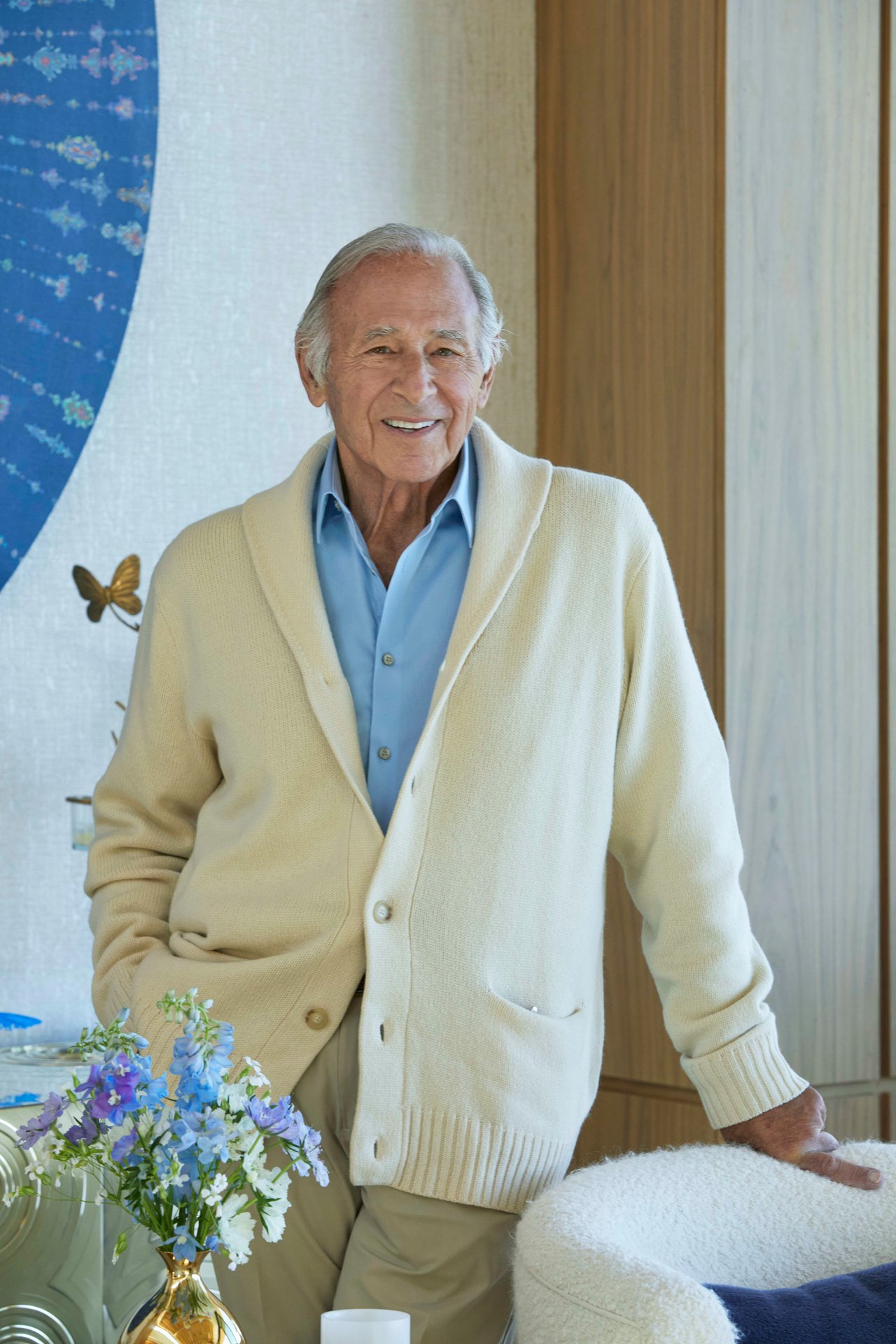
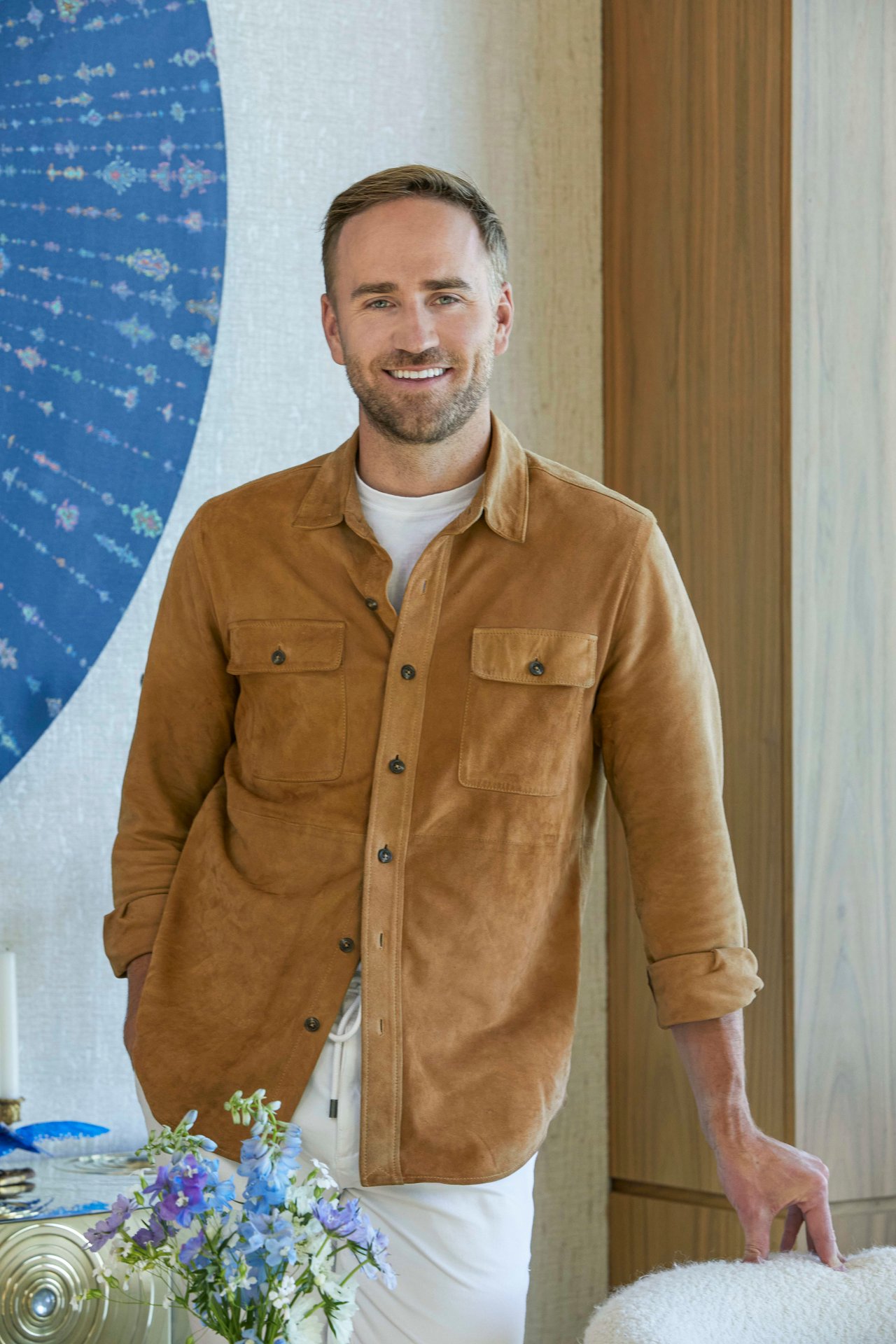
"At MOLLIE, we're looking forward to our guests experiencing the new restaurant across the street, and likewise, we hope to welcome their guests to MOLLIE." Michael Brown, the Aspen local and HayMax Capital co-founder behind MOLLIE Aspen, told the Aspen Times about the hotel across Main Street from his own. He wasn't describing a rivalry. He was describing a corner that, for the first time in its history, has enough going on that two hotel owners can talk about sharing customers instead of stealing them.
That corner is Main and Garmisch, and it sits inside the West End rather than downtown. For decades, a night out in this neighborhood meant walking toward the commercial core, past the Jerome, into the restaurant density on Hyman and Cooper. Main and Garmisch is now its own destination, with a French bistro from a Michelin-starred chef, a global sushi and bistro concept with a hidden lounge, and two hotel rooftops that residents can reach without crossing Main Street at all. That is the actual shift here, and it changes what a resident's evening looks like without changing anything about where they live.
The Corner That Took Longer Than Promised
Anyone who has watched this block over the past few years knows it did not happen fast. White Elephant Resorts bought the old Hotel Aspen, a 45-unit condo property the Brown family had owned since 2003, and early marketing material pointed to a late 2024 opening for the hotel that would replace it. The actual opening, on June 15, 2026, arrived roughly a year and a half behind that early timeline, timed instead to land days before the 2026 Food & Wine Classic. Just across the street, the Browns' own company, HayMax Capital, was redeveloping a second property they still held, the Molly Gibson Lodge, expanding it from 53 units into a 68-room hotel, plus two 4,500-square-foot single-family residences and a worker-housing unit built into the entitlements. The new name, MOLLIE Aspen, keeps the mine reference intact.
Both projects moved through Aspen's development process at the pace this town usually requires: years of site work, permitting and construction delay for a stretch of Main Street that residents drove and walked past for most of that time without much to show for it. The payoff came less than a year apart. MOLLIE opened in December 2025. White Elephant followed that June.
Two Kitchens, One Block
What actually opened is more specific than "two new hotels," and the specifics are what make this a genuine change in the neighborhood's daily texture rather than a real estate footnote.
- Petit Trois at MOLLIE Aspen, chef Ludo Lefebvre's third Petit Trois and his first outside Los Angeles, opened for public seating on December 11, 2025. It serves breakfast and dinner daily in a main dining room plus two heated outdoor terraces, with a wine list built by Master Sommeliers Dustin Wilson and Sabato Sagaria. By early 2026, MOLLIE's lobby café had also settled into its daily rhythm: coffee and a curated lunch menu by day, an intimate wine bar by night.
- MOLLIE's third-floor terrace carries a spa pool and lounge seating, and the hotel's Roof Terrace Bar looks out over Aspen Mountain from 180 degrees, a spot the property markets as an après destination.
- Lola 41 at White Elephant Aspen opened the same day as the hotel, June 15, 2026, with 42 seats in its bar and dining room, 60 seats on a heated outdoor patio, and a 12-seat speakeasy and private dining room tucked below street level. Unlike some of downtown's newer arrivals that run as winter-only residencies, Lola 41 serves breakfast, lunch, happy hour and dinner every day, year-round.
None of this required a resident to leave the West End. That is new. The neighborhood's own historic anchors, the Aspen Institute, Harris Hall and the Benedict Music Tent, have always been a short walk from these blocks. What they didn't have, until this year, was a proper dinner table or a rooftop bar sitting inside the same walk.
Neighbors Instead of Competitors
Brown's comment about welcoming White Elephant's guests to MOLLIE wasn't an isolated bit of PR softness. The same Aspen Times piece quoted a line about Main Street's "westward energy," framing the two properties as part of the same shift rather than as competing bets. That framing matters for how the corner actually functions day to day. Two full-service hotels facing each other could easily have split the block into competing zones. Instead, both are positioning themselves as a single cluster, with cross-promotion built into how each talks about the other.
For a resident, the practical effect is that the corner reads as one node rather than two separate destinations to choose between. A dinner at Petit Trois and a nightcap at Lola 41's speakeasy sit across the street from each other, both walkable, both now part of the same evening rather than a choice between two competing plans.
The Quiet Weeks Before the Corner Gets Loud Again
Early October is a specific window on this corner, and it won't last. Aspen Mountain and Snowmass open for the 2026-27 ski season on November 26, with Aspen Highlands and Buttermilk following on December 12. That gives the neighborhood roughly two more months before the corridor's crowd changes again.
The contrast with peak season is already on record. During this year's Food & Wine Classic weekend in June, Petit Trois was named among the toughest tables in town to book, alongside Element 47, Steakhouse No. 316, Bosq and Matsuhisa, with prime reservations disappearing four to six weeks out. That is what happens on this corner when the calendar fills up. Right now, with the Music Festival and Ideas Festival behind it and ski season still two months out, the same tables that were booked solid in June are easier to walk into on a Tuesday night.
That window closes the moment lift tickets start scanning. Locals who want to see what these two hotels actually feel like without a festival crowd or a ski crowd competing for the same seats have a specific, dated stretch to do it in, and it's the one running right now.
The West End has spent most of its history being defined by its distance from downtown's density, a quieter, tree-lined counterpoint a few blocks from where the action happened. Main and Garmisch doesn't undo that character. It just means the neighborhood no longer has to leave itself to get a good meal.
If you're weighing what a corner like this means for property values or timing a move in the West End, that's a conversation worth having with someone who tracks this block daily. Saslove & Warwick can walk you through it.